


Getting your HGV licence can open the door to a new career in transport and logistics. But before booking a course, it’s important to understand what HGV training involves, which tests you’ll need to pass and what your training package includes.
HGV training typically involves a medical examination, provisional licence application, theory tests, practical driver training and a practical driving test. The exact process depends on the licence category you’re applying for, your existing entitlements and the qualifications you need to drive professionally.
In this guide, we’ll explain the main stages of HGV training, what to look for in a training package and how to compare providers before committing.
Choosing the right training is the first step towards a new career. If you’re still deciding whether professional driving is right for you, read our guide to the benefits of a career as a driver to explore the opportunities available in the transport and logistics industry.
At Driver Hire, we don’t just help you get qualified — we help you find work and take the next step into your driving career. Explore how Driver Hire Training can support you with getting your HGV licence.
The first step is choosing the right licence category for the type of vehicle you want to drive and your career goals.
The main categories include:

Category C1
Also known as 7.5 tonne. For certain medium-sized vehicles over 3,500kg and up to 7,500kg maximum authorised mass.
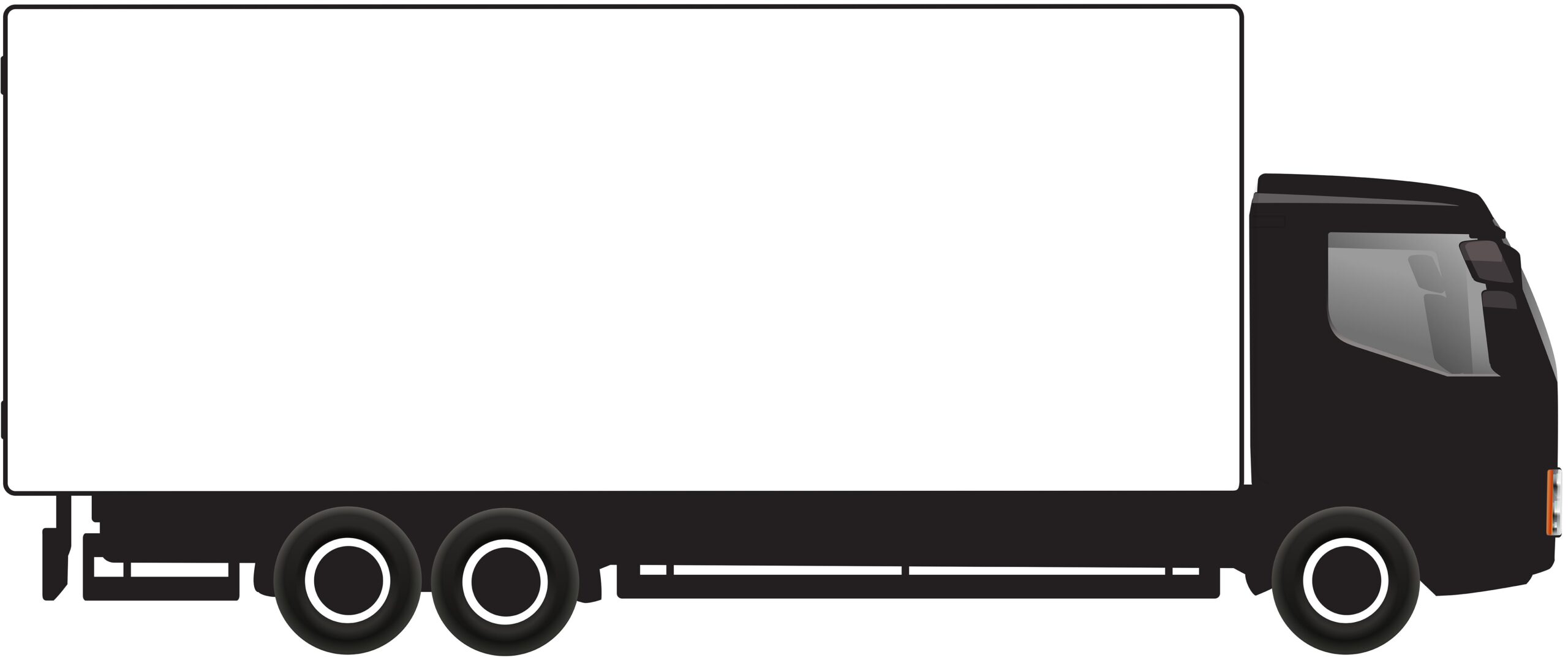
Category C
Commonly known as a Class 2 licence, allowing you to drive vehicles over 3,500kg with a trailer up to 750kg.
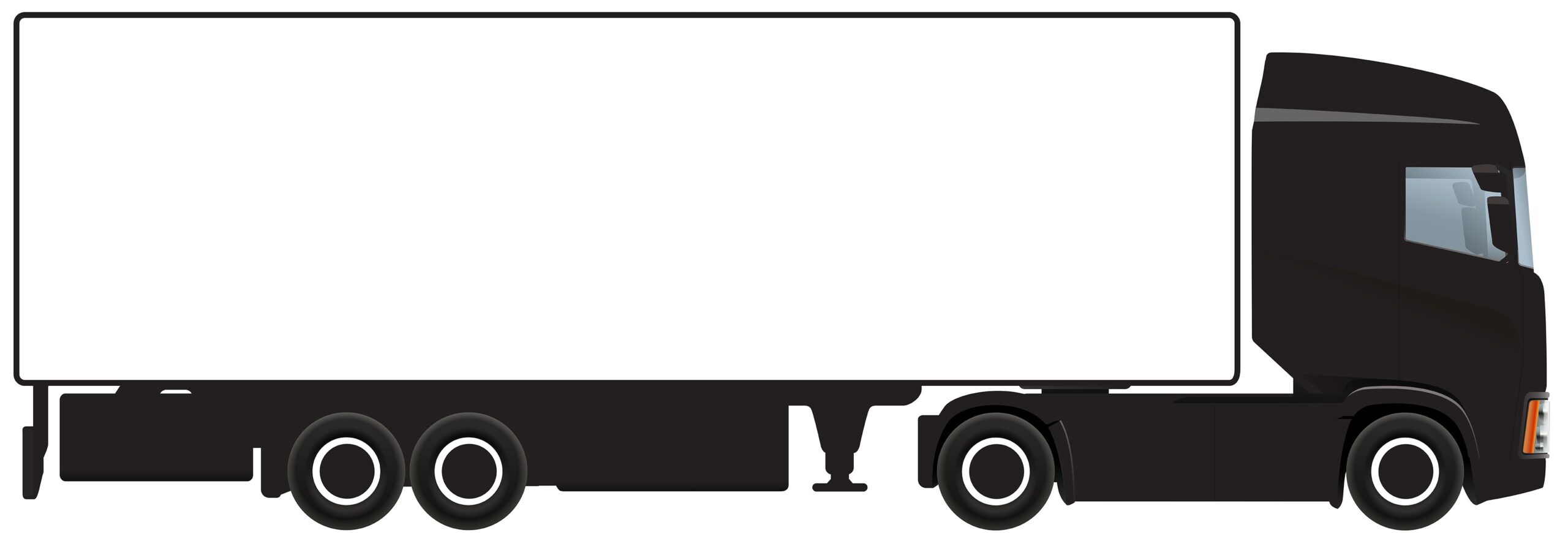
Category C+E
Commonly known as a Class 1 licence, allowing you to drive Category C vehicles with a trailer over 750kg.
Your existing driving licence and entitlements may affect the route you need to follow.
Before choosing a course, consider what type of driving work you’re interested in and whether your intended licence category matches those ambitions.
Explore HGV licence and training options to learn more about starting your training journey.
Before you can take the relevant HGV driving tests, you’ll generally need to meet the medical requirements and obtain the appropriate provisional entitlement.
The medical examination assesses whether you meet the required medical standards for driving the relevant vehicle category. You’ll also need to complete the relevant application process.
When comparing training providers, check whether they can help you arrange your medical, complete the paperwork and understand the steps involved.
These services may be included in a training package or charged separately, so it’s worth confirming the details before booking.
At Driver Hire Training, we’ll support you every step of the way. Our team can guide you through the process and make sure you tick all the boxes at the right time.
To find out more about the medical exam visit our guide.
The cost of HGV training is an important consideration, particularly if you’re changing careers or paying for your qualification yourself.
Depending on your circumstances, there may be employer-funded training, apprenticeship routes or other funding opportunities available. Eligibility and availability vary, so check the current requirements before making plans.
When comparing your options, make sure you understand any conditions attached, including eligibility criteria, repayment obligations or commitments to work for a particular employer.
Practical training helps you develop the skills needed to operate your chosen vehicle safely and confidently.
Your training will depend on your licence category, previous experience and progress, but may cover:
Your instructor will help you develop your skills and identify areas that need further practice.
When comparing courses, check how much practical training is included, how training sessions are organised, which vehicle you’ll use and whether additional sessions are available if you need them.
The aim is to prepare you to drive safely and meet the required test standard, rather than simply complete a set number of hours.
Not every training package covers the same services. A lower advertised price may exclude costs that you’ll need to pay separately.
Before booking, ask for a written breakdown showing what is included and what costs extra.
Your quote may cover some or all of the following:
Always compare the total cost of completing your qualification, not just the headline course price.
Check the cancellation policy, payment terms and arrangements for rearranging training if your circumstances change.
HGV training involves more than learning to drive a larger vehicle. You’ll also need to develop the knowledge required to drive safely and understand the rules that apply to professional drivers.
Depending on your route and circumstances, the relevant theory tests may include:
Your training provider should explain which tests you need to complete and what preparation is included.
Ask whether your package covers theory tuition, revision materials, online learning resources and test fees. You should also understand what happens if you need to retake a test.
Not everyone passes every test first time, so it’s sensible to understand the arrangements before you book.
If you need to retake a test, you may have to pay another test fee and cover the cost of any additional training. The exact arrangements depend on your provider and the test involved.
Ask your provider:
At Driver Hire Training, learners who don’t pass don’t normally need to repeat the entire course. Further support can focus on the areas requiring improvement, with additional training and a retest where appropriate.
Make sure you understand the specific terms of your training package before you start.
Getting your licence is an important milestone, but finding your first driving job is the next step. If you’re newly qualified and unsure where to start, read our guide to finding an HGV driving job after qualification for practical advice on gaining experience, preparing your CV and exploring driving opportunities.
Once you’ve completed your licence acquisition with Driver Hire, we can help you take the next step by connecting you with driving opportunities and supporting you as you start your career on the road.
If you want to drive professionally, you’ll generally need a valid HGV licence for the vehicle you intend to drive, along with a Driver Certificate of Professional Competence (Driver CPC). You’ll also usually need a digital tachograph card for vehicles fitted with a digital or smart tachograph.
Depending on the role, you may need additional training or qualifications, such as a Category C+E licence to drive an articulated lorry. Requirements can vary depending on the type of work you plan to undertake and any applicable exemptions. Read the official GOV.UK guidance on becoming a qualified HGV driver for more information.
Once you’ve met the requirements for the work you intend to undertake, you can start looking for suitable driving opportunities.
If you’re newly qualified, don’t assume you need to secure your ideal driving job immediately. Gaining experience, remaining open to different opportunities and working with a specialist recruitment agency can help you take your first steps into the industry.
With over 100 offices nationwide and strong connections with some of the biggest employers in the logistics industry, Driver Hire’s dedicated recruitment teams can help you find relevant driving opportunities and take the next step in your career. Find out more on our driving careers page.
Before committing to a course, make sure you understand:
We’ve put together a downloadable checklist to help you compare providers and ask the right questions before booking.
Download the HGV Training Checklist →
Choosing the right training provider is about more than finding the lowest price. You need to understand the process, know what support is available and feel confident about the steps ahead.
At Driver Hire Training, we can help you understand your options, navigate the training process and find out what’s involved in getting your HGV licence. Our team can support you with guidance on medicals, paperwork, theory preparation and practical training through our training partners.
Get in touch with Driver Hire Training for an HGV training quote →


